4 مايو 2025
Palestinian Chambers of Commerce Discuss Gaza’s Economic Recovery in Istanbul
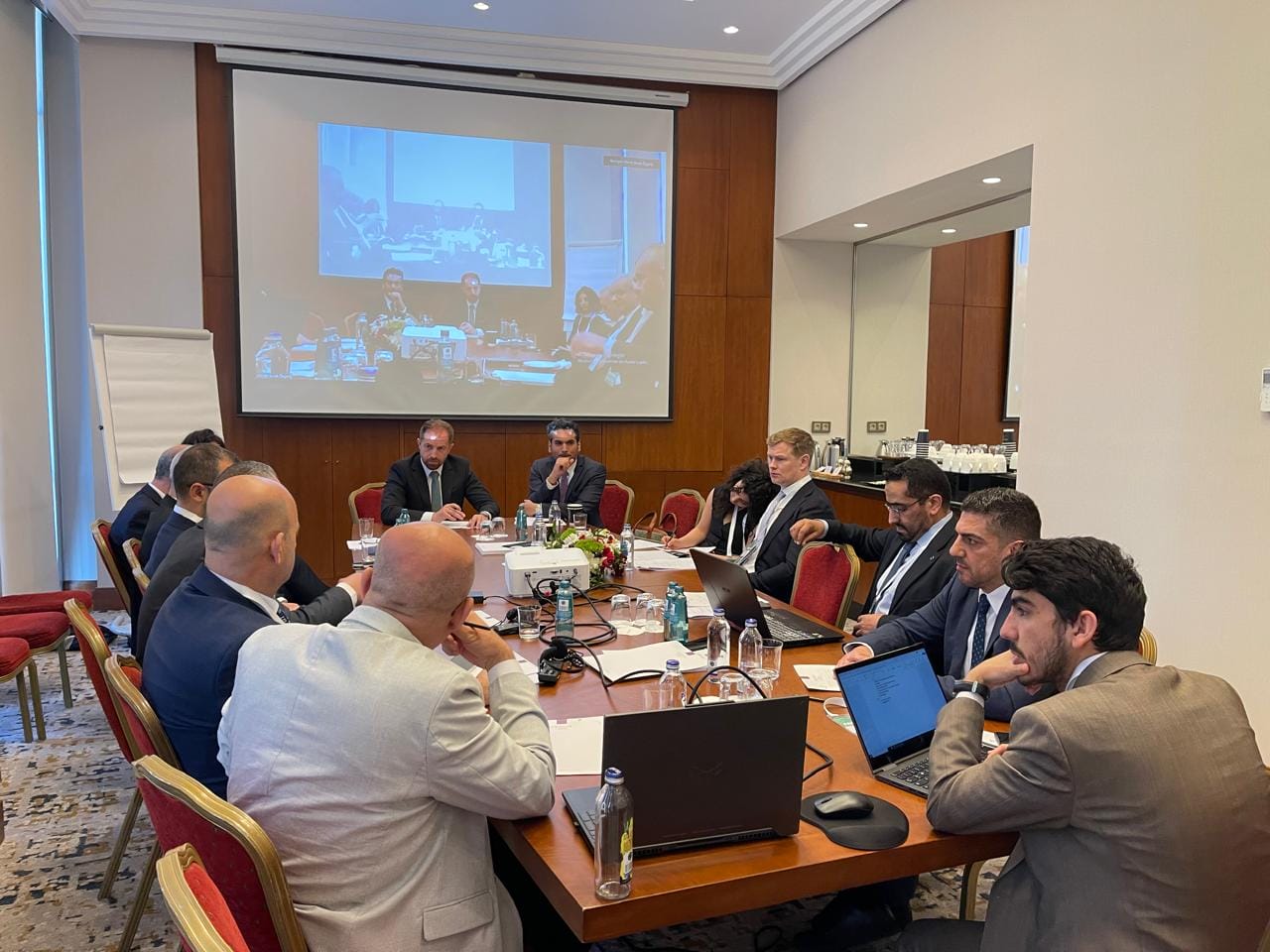
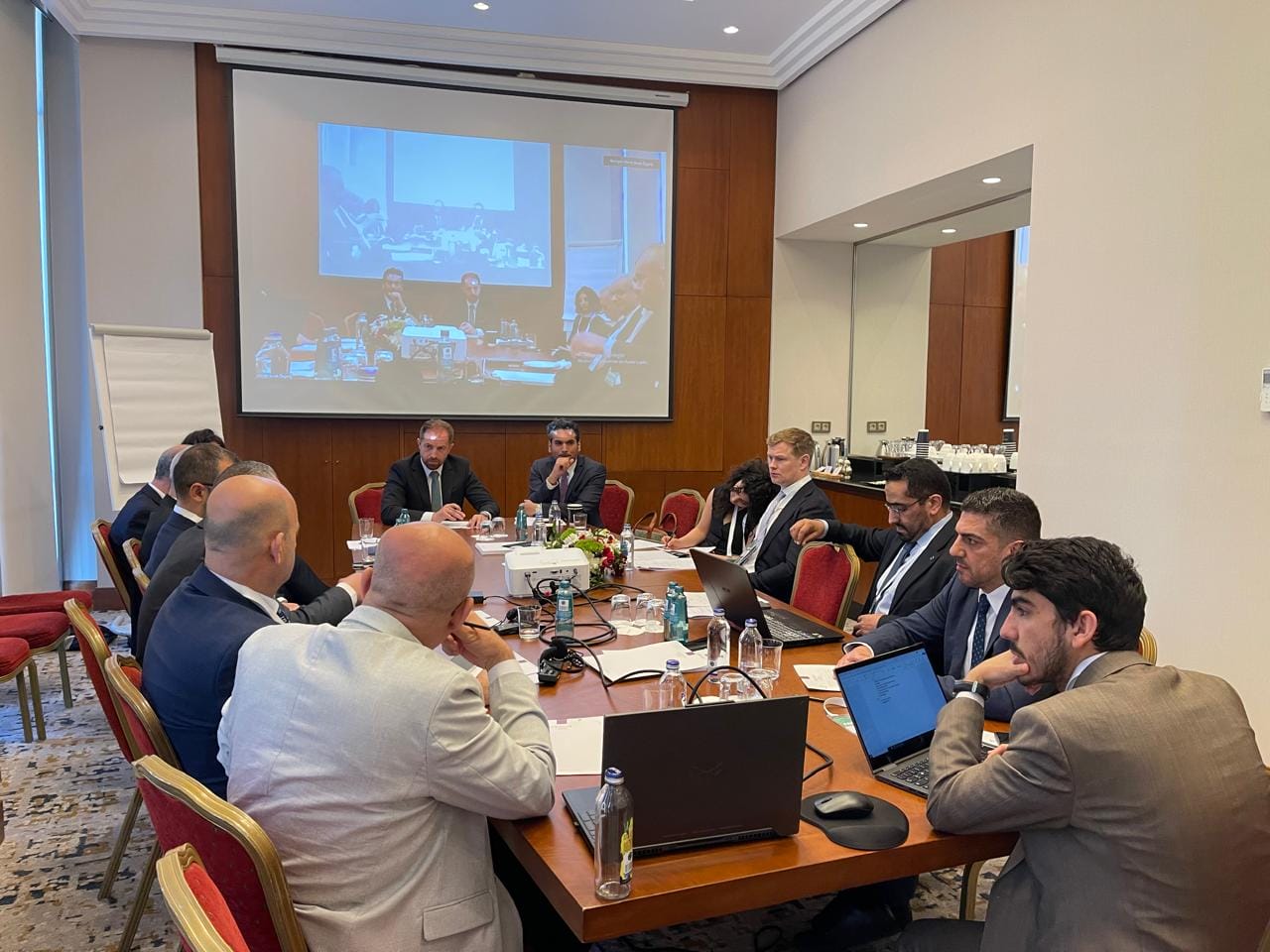
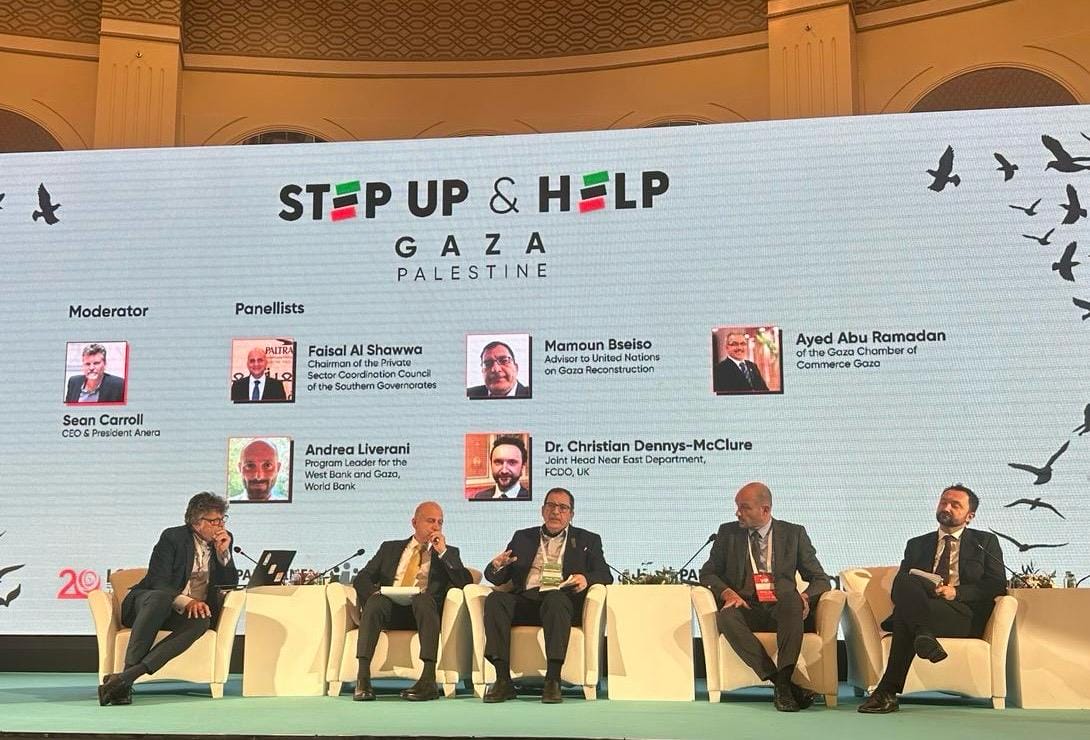
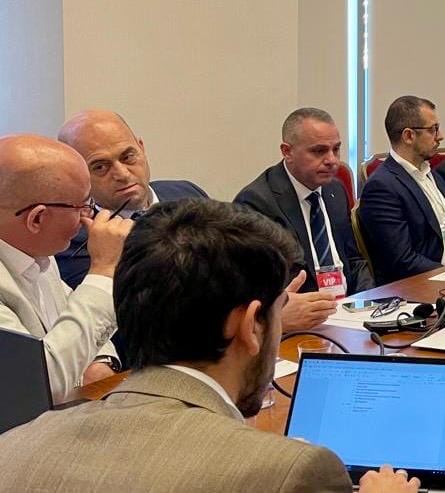
On the sidelines of the "Step Up and Help Gaza" conference held in Istanbul over two consecutive days, the Palestinian Chambers of Commerce participated in a specialized session addressing the role of chambers in supporting Gaza’s economic recovery. The session was attended by Mr. Abdo Idris, President of the General Federation of Palestinian Chambers of Commerce, and several members of the Gaza Chamber’s board, including Eng. Faisal Al-Shawa, Mr. Jihad Bsaiso, and Eng. Saed Abu Alouf, alongside Dr. Khairy Al-Masri, President of the Khan Younis Chamber of Commerce and Industry.
Eng. Faisal Al-Shawa spoke about the role of chambers in the reconstruction process, emphasizing their full coordination with private sector institutions through the Coordinating Council to unify efforts and enhance the effectiveness of interventions. He stressed the need for immediate support for private sector employees to help them return to work and enable business owners through targeted support projects, including a fund to settle debts with financial institutions and provide capital and financial guarantees to help companies resume operations.
Al-Shawa also called for expanding "Cash for Work" programs and thanked organizations that supported the chambers' efforts to promote a digital payment culture.
Mr. Faisal emphasized the importance of institutional capacity-building through clear needs assessments and the recruitment of qualified staff, as seen in some current projects carried out with chamber members. He highlighted the need for genuine, not superficial, partnerships with all stakeholders before launching any project serving the private sector, allowing sufficient time for joint discussion before planning.
Al-Shawa urged the Palestinian Authority and government to assert sovereignty over Gaza and called for a joint meeting between the government, donors, and the private sector to establish monitoring and accountability mechanisms that ensure transparency and maximize aid effectiveness.
Mr. Jihad Bessiso, in his remarks, discussed the burdens shouldered by Gaza’s chambers, explaining the nature of their services and activities to support various sectors amid ongoing aggression and the long-term impacts of previous wars, which have severely paralyzed Gaza’s business and industrial movement.
Bessiso stressed the urgent need for collective efforts—from individuals, institutions, and nations—to end the aggression immediately. He noted that the Palestinian people deserve to live in dignity and security and that economic empowerment is a key pathway to achieving this just human right.
Mr. Jihad also called for the inclusion of the private sector in relief, recovery, and reconstruction efforts through joint programs with the chambers, which represent the Palestinian private sector and have the institutional capacity to manage these efforts. Their involvement, especially in damage assessment and recovery planning, will help restart production, create jobs, and reduce high rates of unemployment.
Dr. Khairy Al-Masri, President of the Khan Younis Chamber of Commerce, discussed the state of chambers across Gaza, which include five chambers representing each of the governorates. He noted that thousands of private sector members belong to these chambers, primarily from commerce, as well as from the industrial, agricultural, and service sectors. Al-Masri emphasized that all economic activities in Gaza have ceased since the first day of the aggression, worsening living and economic conditions.
Dr. Khairy called for the urgent and regular opening of border crossings—not only to allow humanitarian aid but, more importantly, to enable the private sector to resume its trade activity freely, as a cornerstone of economic recovery and stability. He also stressed the need to involve the private sector in aid delivery by sourcing goods and supplies from the local market, helping stimulate the economy, maintaining market balance, and preventing the overstocking of some goods at the expense of others.
Dr. Al-Masri concluded by calling for a fair, transparent mechanism for operating border crossings—free from extortion or illegal fees—to ensure the safe, consistent flow of goods. He concluded his remarks by affirming that the people of Gaza are peace-loving and aspire to a future of work, stability, and education, far from siege and suffering.

